

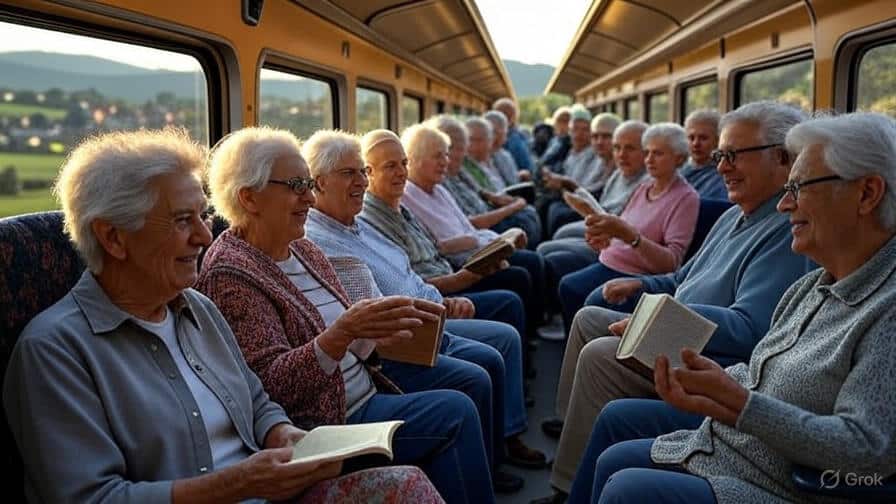
Traveling by train across Europe shows stunning sights like rolling hills, old streets, and charming villages, all without rushing. Many older people love how trains offer a calm and comfy way to enjoy the views, avoiding the hassle and tiredness of planes or long drives. With more seniors choosing easy and fun trips, finding the right train route that fits their needs matters a lot. This way of traveling turns the whole journey into pure joy, sparking excitement for the next adventure. Here’s the scoop on secret tips that can make a simple trip unforgettable and worth sharing. Keep reading to discover how this trip can change the way travel feels forever.
Whether you’re exploring the scenic routes of Switzerland, visiting iconic landmarks in France, or discovering hidden gems across Italy, a well-planned train trip can bring immense pleasure. This guide is designed to help senior travelers make the most of their European rail journeys by sharing practical advice, tips for comfort, and insights into making the experience enjoyable from start to finish. Let’s walk through everything you need to know for a smooth and memorable trip across Europe.
Choosing the Right Rail Pass and Tickets for Seniors
Understanding Rail Pass Options in Europe
Europe offers a wide variety of rail passes tailored to different travel styles, durations, and budgets. For seniors, selecting the right pass can significantly reduce costs and simplify travel logistics. Popular options include the Eurail Pass, which grants unlimited travel on participating countries, and country-specific passes like the Swiss Travel Pass or the France Rail Pass.
When choosing a pass, consider your itinerary, the number of days you’ll be traveling, and whether flexibility or fixed schedules suit your preferences. For instance, if you plan to explore several regions or make spontaneous stops, a flexible pass may be ideal. Always compare individual ticket prices with pass options to ensure you’re getting the best deal.
How to Purchase Tickets Seamlessly
Many senior travelers find that purchasing tickets online ahead of time offers convenience and peace of mind. Websites like the official railway companies’ portals and authorized agents facilitate easy transactions, often with senior discounts automatically applied or available upon request. Look for options that provide large print or easy-to-read interfaces if needed.
Additionally, some stations and trains offer dedicated assistance, so it’s worth checking in advance. Remember, booking early can secure reserved seats on popular routes, avoiding unnecessary stress during busy travel times.
Planning Your Itinerary for Stress-Free Travel
Selecting Scenic and Comfortable Routes
European railways feature spectacular scenic routes that often serve as highlights of the trip itself. For senior travelers, choosing routes with fewer transfers and comfortable amenities can make journeys more pleasurable. Notable examples include the Glacier Express in Switzerland, the Bernina Express, or the Ostend to Bruges line in Belgium.
Prioritize direct routes when possible and consider traveling during off-peak hours to avoid crowds. Using routes with panoramic windows allows you to enjoy breathtaking views without strenuous effort, turning travel time into an enjoyable experience rather than a chore.
Flexible Scheduling for Relaxation
Creating a flexible itinerary reduces pressure and allows for spontaneous moments or rest days. Incorporate longer stays in key cities to avoid back-to-back travel days. Include leisure activities and some time to simply relax at your accommodation after a train journey.
Keep track of train schedules and connection times with apps or printed timetables. Being aware of train departure times helps avoid last-minute rushes and ensures a stress-free exploration of European cities.
Ensuring Comfort and Convenience on the Train
Managing Mobility and Accessibility Needs
Most European trains now include accessible facilities such as ramps, designated seating, and restrooms suitable for seniors with mobility issues. When booking tickets, specify any mobility requirements to ensure accommodations are arranged in advance.
Traveling with a mobility aid like a cane, walker, or wheelchair is manageable on many modern trains, yet planning ahead is vital. Contact train operators directly if you require special assistance or if you need to reserve accessible seats or storage space for mobility devices.
Additional Tips for Comfort During Your Journey
- Bring personal comfort items: neck pillows, blankets, or earplugs can enhance your experience.
- Dress in layers: temperatures on trains can vary, so comfortable clothing is essential.
- Stay hydrated and bring snacks: keeping refreshments handy prevents unnecessary stops and maintains energy levels.
- Move around periodically: gentle stretching or short walks within the carriage improve circulation and reduce stiffness.
Staying Safe and Healthy While Traveling
Tips for Senior Health and Safety
Traveling across Europe involves lots of movement and exploration. To maintain health and safety:
- Carry essential medications, along with copies of prescriptions.
- Inform companions or staff of any health concerns or allergies.
- Keep emergency contact details easily accessible.
- Practice good hygiene, especially when using restrooms or shared facilities.
Preparing for Unexpected Situations
While train travel is generally reliable, delays can happen. Pack a small emergency kit with essentials like medication, a charger, and some snacks. It’s also wise to have a list of local emergency numbers and nearby medical centers for each destination.
Helpful Extras to Enhance Your European Rail Experience
Using Travel Apps and Resources
Download helpful apps for real-time train updates, station maps, and translation services. Popular choices include the Rail Planner App, Deutsche Bahn Navigator, and Google Maps for navigation. Familiarize yourself with station layouts to avoid confusion and streamline transfers.
Finding Comfortable Accommodation Near Stations
Select lodging close to train stations to minimize walking with luggage or navigating busy public transit. Many hotels and bed-and-breakfasts offer senior discounts and have accessible features. Booking in advance guarantees better availability and peace of mind.
Respectful and Enjoyable Cultural Etiquette
Different countries in Europe have unique customs and social norms. A few basic respectful gestures—such as greeting with a smile, saying thank you, or learning simple phrases in local languages—can enrich your interactions and make your journey more pleasant.
Remember to adapt your expectations and stay open to new experiences. Most Europeans appreciate politeness, patience, and a warm attitude, especially when seniors are traveling and sharing their stories.
Conclusion: Your Stress-Free European Rail Adventure Starts Here
Exploring Europe by train offers an enriching, relaxing way to see the continent’s historic sites, scenic landscapes, and vibrant cities. Proper planning, choosing the right tickets, and prioritizing comfort can turn your journey into a delightful experience free from complications. Remember, taking advantage of accessible facilities and carrying essentials ensures a smooth trip, while flexible scheduling allows you to fully enjoy each moment.
Embarking on a European rail journey is not just about reaching a destination but embracing the journey itself. With thoughtful preparation and a sense of adventure, you can create wonderful memories and explore Europe at your own pace. If you’re considering a broader exploration, you might find this senior interrailing guide valuable for planning your perfect trip. Start planning today and look forward to a stress-free, enriching holiday across Europe’s iconic landscapes and cities.