

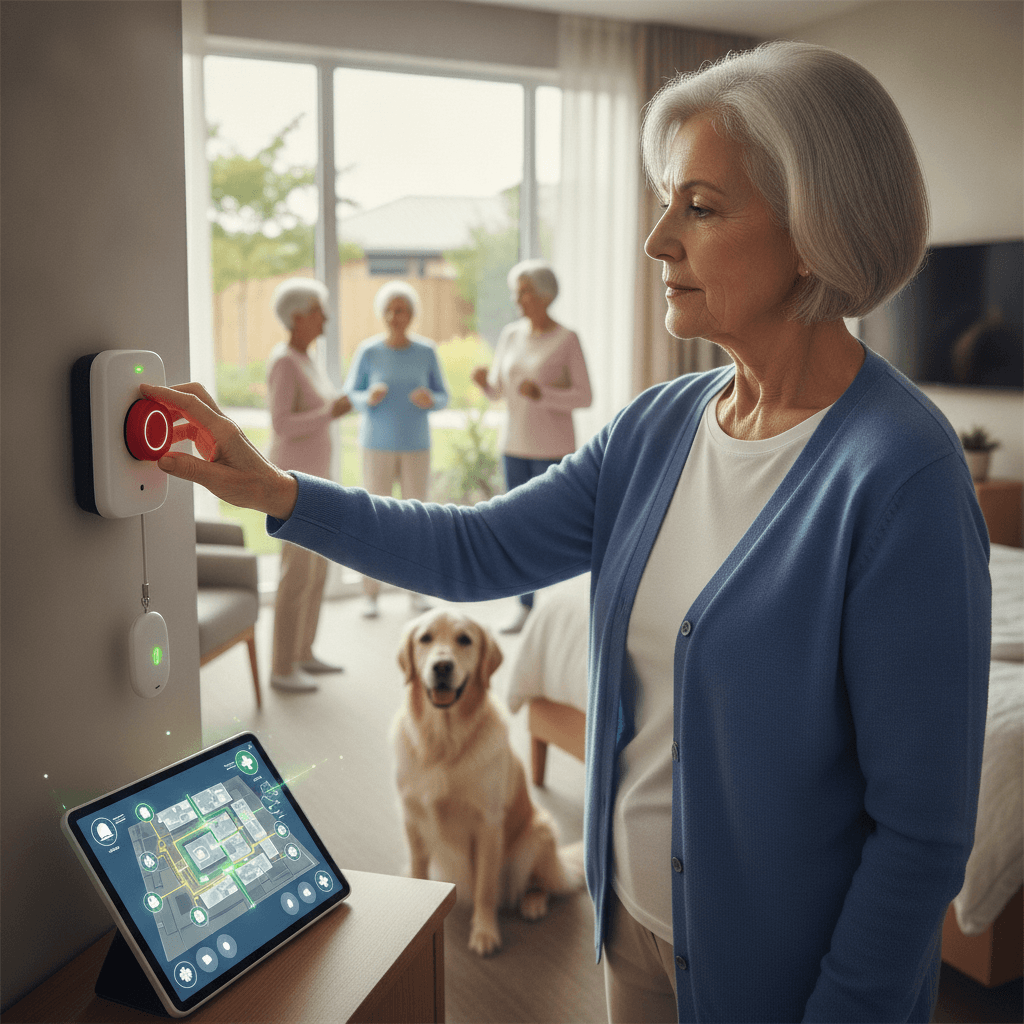
Living independently can be a truly rewarding experience for seniors. It offers a sense of control and familiarity that many cherish. However, maintaining safety and ensuring quick access to help during an emergency is a key concern for seniors and their families. This is where modern emergency systems play a crucial role in providing peace of mind.
I understand the desire for autonomy and the importance of feeling secure in one’s own home. As someone deeply invested in creating safe living environments, I have seen firsthand how well-chosen emergency systems can make all the difference. They empower senior tenants to live confidently knowing that assistance is always within reach.
This article aims to provide a comprehensive overview of the essential emergency systems available. We will explore various options, discuss critical features, and guide you through choosing and implementing the best solutions to protect senior tenants. My goal is to equip you with the knowledge needed to make informed decisions for yourself or your loved ones.
Understanding the Need for Senior Emergency Systems
The aging process can bring about changes in physical abilities and health. While many seniors remain active and capable, the risk of unexpected incidents like falls or sudden medical emergencies does increase. These situations often require immediate attention. A delay in receiving help can significantly impact recovery and long-term well-being.
For example, statistics show that a considerable number of older adults experience falls each year. Many of these falls can lead to serious injuries. Some seniors might find themselves unable to call for help after an incident. This is where an emergency system becomes a lifeline, bridging the gap between an incident and professional assistance.
Beyond physical safety, these systems address a fundamental human need for security. Knowing that help is readily available reduces anxiety for seniors and their family members. It supports the dream of aging in place which is a goal for many older adults. This focus on independence is something we value deeply.
Enhancing Safety and Well-being for Senior Tenants
Emergency systems are not just about reacting to a crisis. They are about proactively creating a safer living space. Imagine a senior living alone who experiences a sudden dizzy spell. With a reliable system, they can activate an alert instantly. This swift action can prevent a minor incident from escalating into a severe one.
These systems contribute to overall well-being by reducing isolation. Seniors feel more connected and less vulnerable. Families also benefit greatly. They can rest easier knowing their loved ones have a safety net. This mutual reassurance strengthens bonds and allows everyone to live with less worry. It is a powerful tool for maintaining independence with dignity.
Types of Emergency Systems for Senior Tenants
The market offers a wide range of emergency systems tailored to various needs and preferences. I have seen the evolution of these systems over time, and today’s options are truly impressive in their capability and ease of use. Understanding the different types helps in making the right choice for each individual situation.
Personal Emergency Response Systems are commonly known as PERS. These are perhaps the most recognized type. They typically involve a wearable device, like a pendant or bracelet, with a button. Pressing this button connects the user to a monitoring center or designated contacts. These systems give seniors direct access to help with a simple press.
Beyond PERS, we have advanced solutions like fall detection systems. These systems use sensors to automatically detect a fall. They send an alert even if the senior cannot press a button. This feature is especially important for individuals with certain health conditions or those at high risk of losing consciousness.
Smart home safety devices are also becoming increasingly popular. These include things like smart smoke detectors, carbon monoxide alarms, and even smart door locks. They can be integrated to provide a more comprehensive safety net. For a more detailed look at these vital tools, I suggest reviewing this senior emergency systems guide. It provides valuable information to consider.
Personal Emergency Response Systems (PERS) for Senior Safety
PERS come in various forms. Basic models connect to a landline, but many modern systems use cellular technology. This means they work well even in homes without a traditional phone line. Monitored systems connect to a 24/7 call center. Trained operators assess the situation and dispatch emergency services or contact family as needed.
Unmonitored systems, on the other hand, directly dial pre-programmed numbers, usually family members or neighbors. The choice between monitored and unmonitored depends on personal preferences, support networks, and budget. Both options provide a rapid means of communication during an emergency.
Advanced Safety with Automatic Fall Detection for Seniors
Automatic fall detection is a game changer for many seniors. These devices contain accelerometers and other sensors that can distinguish between normal movements and a genuine fall. The system then automatically sends an alert. This removes the burden of remembering to press a button during a stressful event.
This technology is particularly beneficial for those who might be unconscious, disoriented, or too injured to move after a fall. It adds an extra layer of protection, ensuring that help is on the way regardless of the senior’s ability to respond. It really provides an enhanced sense of security.
Key Features to Look for in an Emergency System
When selecting an emergency system, I always advise looking beyond the basic function. A robust system offers features that truly cater to the specific needs of senior tenants. My experience tells me that reliability is paramount. A system that fails during a critical moment is not helpful.
First, consider the reliability of the system and its battery life. Mobile units, in particular, need long-lasting batteries. A system with a poor battery life creates more worry than it prevents. You want a device that works when needed, without constant recharging.
Ease of use is another non-negotiable feature. The buttons should be large and easy to press. The device itself should be comfortable to wear and simple to operate, especially under duress. Complex systems can be more of a hindrance than a help for many seniors.
Think about waterproofing. Many incidents happen in bathrooms. A waterproof device means help can be summoned even during a shower or bath. This small detail can make a big difference in safety. It ensures protection in all parts of the home.
The range of the system is also critical. Does it work only inside the home, or does it cover the yard or even the neighborhood? Mobile units with GPS tracking are excellent for active seniors who spend time outside the home. This feature pinpoints their location quickly, which can save valuable time in an emergency.
Two-way communication allows the senior to speak directly with the monitoring center or emergency contacts through the device. This provides reassurance and helps responders understand the situation before they arrive. It means help is more targeted and efficient.
Finally, understand the cost structure and any monitoring fees. Some systems have a one-time purchase fee, while others involve monthly subscriptions. Compare these costs with the benefits and features offered. It is important to find a balance that fits your budget and provides the necessary level of protection.
Setting Up and Testing Your Emergency System
Once you have chosen an emergency system, the next important step is proper setup and regular testing. I have seen many people underestimate this part, but it is just as vital as selecting the right system. A well-installed and frequently tested system ensures it will perform flawlessly when it matters most.
The initial setup process is usually straightforward. Most modern systems are designed for user-friendly installation. However, taking your time and following the instructions carefully is key. Involving a trusted family member or caregiver can also be beneficial. They can help with the technical aspects and learn how the system works.
Regular testing is not just a recommendation. It is a necessity. Technology can sometimes develop glitches, or settings might accidentally change. Consistent testing confirms that everything is in working order. It also helps the senior become familiar with the system. This familiarity builds confidence and reduces hesitation during a real emergency.
Step-by-Step Installation Process for Senior Emergency Systems
The first step is usually to unpack all components and ensure everything is present. Then, charge any rechargeable devices fully. For base units, connect them to a power outlet and a phone line or internet connection as required. Many systems now connect wirelessly, making installation even simpler.
Next, you will need to pair any wearable devices with the base unit. This often involves pressing a button on both devices until they connect. Follow the manufacturer’s instructions for programming emergency contacts and any other personalized settings. Make sure to complete all activation steps with the monitoring service if you chose a monitored system. They will confirm that their center can receive signals from your device.
The Importance of Routine Testing and Practice for Senior Tenants
I recommend testing the system at least once a month. Most systems have a test button or a specific procedure for performing a test call without dispatching actual emergency services. This allows you to verify that the signal is sent, the monitoring center receives it, and two-way communication functions correctly.
Practicing with the system also helps seniors respond calmly in a real emergency. They learn where the button is, how it feels, and what to expect when they activate an alert. This small investment of time can greatly enhance response effectiveness and reduce panic during a stressful situation.
Integrating Systems with Smart Home Technology
Modern homes often feature smart technology. We can leverage these advancements to create a more integrated and responsive emergency system for senior tenants. I find this approach particularly exciting because it combines convenience with enhanced safety. Smart home integration adds layers of protection that go beyond traditional emergency buttons.
Voice assistants like Amazon Alexa or Google Assistant can be programmed to make emergency calls or send alerts with a simple voice command. This is incredibly helpful if a senior cannot reach a physical button. Imagine saying “Alexa, call for help” and knowing assistance is on the way. It is a powerful use of everyday technology.
Smart lighting can improve visibility during an emergency. If a fall occurs at night, smart lights can automatically turn on in relevant areas, helping caregivers or emergency responders navigate the home safely. Smart locks can also be configured to provide emergency access. This means paramedics can enter quickly without forced entry, which saves time and prevents damage.
Connecting smart smoke detectors and carbon monoxide alarms to a central monitoring system is another smart step. These devices can send alerts to the monitoring center and family members even if the senior is not home or asleep. This comprehensive integration creates a truly intelligent safety net. It offers seniors more autonomy and security.
Financial Considerations and Assistance Programs for Senior Emergency Systems
Understanding the financial aspects of senior emergency systems is an important part of the decision-making process. I know that costs can be a concern for many families. However, there are various options available. Many systems offer good value for the peace of mind they provide.
The overall cost can vary significantly. Simple unmonitored devices might have a lower upfront cost. Monitored systems usually involve a monthly subscription fee, which covers the 24/7 monitoring service. Some providers offer discounts for annual payments or for signing longer contracts. Always ask about these options.
It is worth exploring whether your insurance might cover some of these costs. Medicare does not typically cover personal emergency response systems unless prescribed by a doctor as part of a broader home healthcare plan. However, some private insurance plans, long-term care insurance policies, or Medicare Advantage plans might offer coverage or partial reimbursement. Always check with your specific provider to understand your benefits.
Many states and local communities offer assistance programs for seniors to help with the cost of medical alert systems. These programs are designed to support independent living for older adults. Veterans may also qualify for benefits through the Department of Veterans Affairs. I always encourage families to research these options thoroughly. They can significantly reduce the financial burden and make these essential systems more accessible.
Ensuring Senior Tenant Safety and Independence
Navigating the options for senior emergency systems can feel overwhelming at first. But I hope this guide has illuminated the path forward for you. We have explored why these systems are so important for maintaining independence and ensuring safety. We looked at different types of systems, from personal emergency response devices to advanced fall detection and smart home integrations.
Remember that the right system is one that is reliable, easy to use, and tailored to the senior’s specific needs and lifestyle. Take the time to evaluate features like battery life, waterproofing, range, and two-way communication. Do not forget the critical step of proper setup and consistent testing to ensure everything works as expected. I have seen how a well-implemented system truly empowers seniors to live more confidently in their own homes.
Consider the financial aspects. Investigate potential assistance programs and insurance coverage which can make these systems more affordable. The peace of mind that comes from knowing help is always available is invaluable for both seniors and their families. I urge you to prioritize safety and independence. Start your research today. Implement an emergency system that provides the security and confidence every senior tenant deserves.