

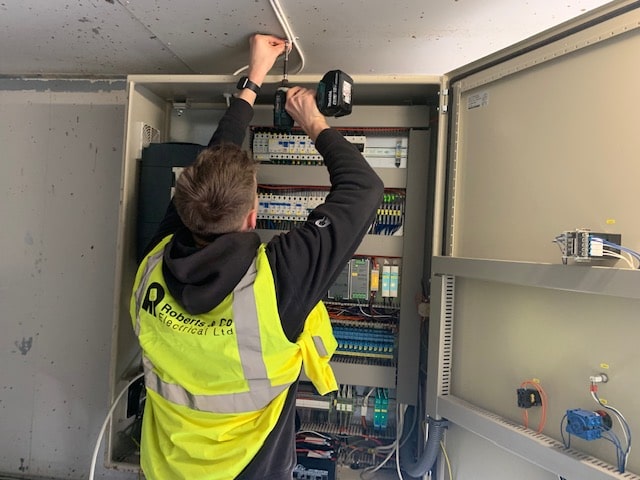
Cutting energy waste in buildings really matters because they gulp down a huge chunk of the world’s electricity. Electricians, who often fly under the radar, hold the secret tools and skills to slash that energy use big time. Swapping out old gear and hooking up smart systems, electricians turn ordinary spots into energy-saving champs. People wanting to make buildings more efficient can discover unexpected tricks from their work. Find out why electricians are key players in making the planet greener and saving big bucks on power bills. Keep reading to uncover the hidden power behind everyday energy savings.
Understanding the Role of Electricians in Energy Efficiency
Electricians are the architects of electrical systems within buildings. Their expertise encompasses the installation, maintenance, and repair of electrical components. When it comes to energy efficiency, electricians serve as catalysts for change. They possess the technical know-how to assess energy consumption patterns, identify inefficiencies, and implement solutions that reduce wastage.
Upgrading Lighting Systems for Efficiency
One of the most impactful interventions electricians can make is upgrading lighting systems. Traditional incandescent bulbs are notorious for their energy inefficiency, converting much of the electricity they consume into heat rather than light. Electricians can replace these outdated fixtures with energy-efficient LED lighting. LED bulbs consume significantly less energy while providing the same level of illumination, resulting in immediate energy savings for building owners.
Implementing Smart Technologies
The rise of smart technologies presents new opportunities for energy optimization within buildings. Electricians proficient in automation systems can integrate smart thermostats, occupancy sensors, and lighting controls to create intelligent, responsive environments. These systems adjust energy usage based on occupancy patterns and ambient conditions, minimizing waste without sacrificing comfort or functionality. Visit their page where you will find lots of great information and practical advice about finding reliable local electrician.
Enhancing Electrical Infrastructure
Beyond lighting and automation, electricians can improve the overall efficiency of a building’s electrical infrastructure. By upgrading wiring, optimizing circuit layouts, and installing energy-efficient appliances, electricians can reduce energy losses throughout the system. Well-designed electrical systems minimize voltage drops and heat dissipation, ensuring that energy is utilized more effectively from generation to consumption.
Collaborating with Other Stakeholders
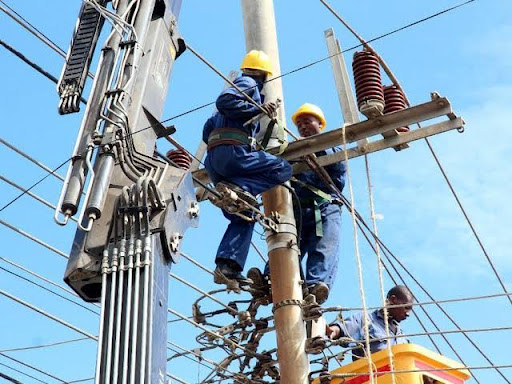
Achieving optimal energy efficiency requires collaboration among various stakeholders involved in building design, construction, and operation. Electricians work hand-in-hand with architects, engineers, and energy consultants to integrate efficiency measures seamlessly into building projects. By participating in the early stages of design and planning, electricians can influence decisions that have long-term implications for energy usage.
Education and Awareness Campaigns
Electricians also play a vital role in educating building owners and occupants about energy-efficient practices. They can conduct energy audits, offer recommendations for improvement, and provide training on the proper use of energy-efficient technologies. Empowering individuals with knowledge fosters a culture of sustainability where everyone takes responsibility for reducing energy consumption.
Conclusion: Powering a Sustainable Future
In the quest for a sustainable future, the role of electricians in improving energy efficiency cannot be overstated. Through their technical expertise, innovative solutions, and collaborative spirit, electricians are transforming buildings into beacons of efficiency. By embracing energy-efficient practices today, we pave the way for a greener, more sustainable tomorrow.